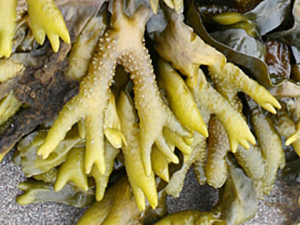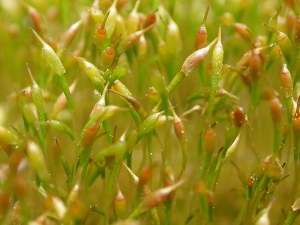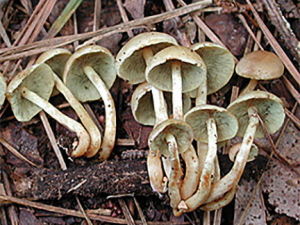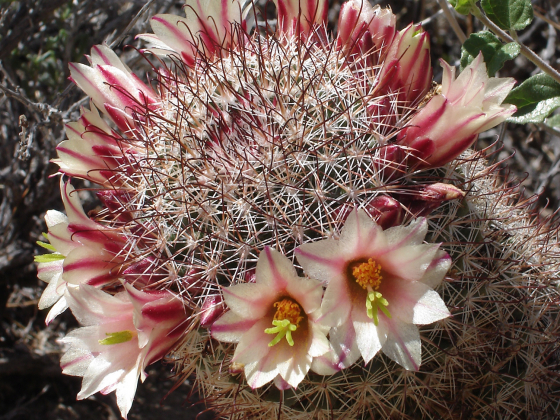
The Duke Herbarium contains over 825,000 specimens of vascular plants, bryophytes, algae, lichens, and basidiomycete fungi, including more than 2000 types. The collection is especially rich in specimens from the southeastern United States, but has synoptic representation worldwide.
A herbarium is a critical resource for biodiversity, ecological, and evolutionary research studies. It is a primary data source of dried and labeled plant specimens that is arranged to allow for easy retrieval access and archival storage. A herbarium is like a library, but differs in that the information is stored in a biological form – as pressed, dried, and annotated plant specimens (in the case of most vascular plants; lichens, fungi, bryophytes and some vascular plants are preserved slightly differently, although the main points are the same).
The Duke Herbarium (DUKE) has acquired its specimens over time primarily through research-directed field collections by Duke faculty, staff, and students, but also by gift and exchange with other herbaria worldwide.